
Capacitive touch button switches are widely used in smart home systems, medical devices, industrial control panels, and modern electronic equipment. Compared with traditional mechanical push buttons, they provide improved durability, sealed structures, and a more modern user interface.
This comprehensive guide explains how capacitive touch switches work, how they compare to spring return push buttons, what types are available, and what factors should be considered when selecting a reliable supplier.
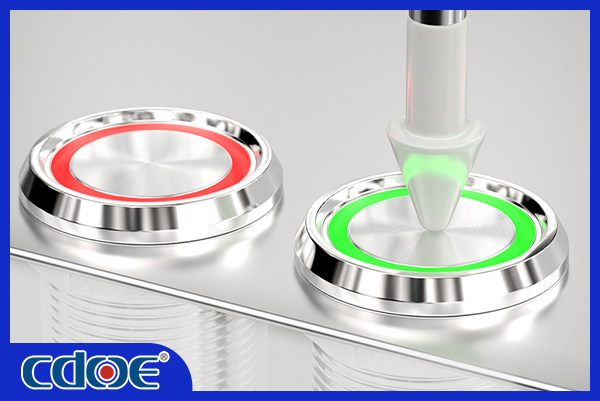
1. What Is a Capacitive Touch Button Switch?
A capacitive touch button switch is an electronic switching device that detects human touch by sensing changes in electrical signals. Unlike mechanical buttons, it does not rely on physical pressure or moving metal contacts.
- 1.No mechanical moving parts
- 2.Flat and sealed surface design
- 3.Long service life
- 4.Easy to clean
- 5.Compatible with glass, acrylic, and customized panels
These switches are especially suitable for environments requiring waterproof, dustproof, or hygienic designs.
2. How Does a Capacitive Touch Switch Work?
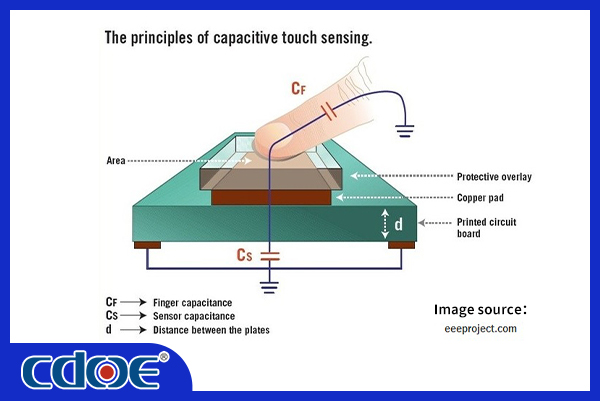
The human body conducts electricity. When a finger approaches or touches the sensing area, it changes the electrical characteristics of the sensing electrode.
A touch control IC continuously monitors these changes. When the variation exceeds a preset threshold, the system identifies it as a valid touch and outputs a switching signal.
1.Continuous signal scanning
2.Baseline calibration
3.Touch detection
4.Noise filtering
5.Signal output
Because there are no mechanical contacts, wear and failure caused by physical fatigue are eliminated.
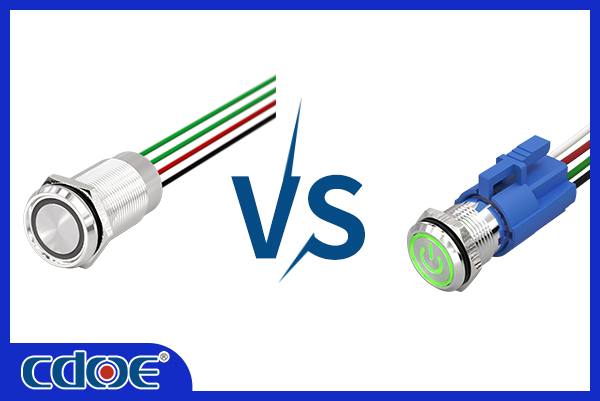
3. Capacitive Touch Switch vs. Spring Return Push Button
| Feature | Mechanical Push Button | Capacitive Touch Switch |
|---|---|---|
| Operating Method | Physical contact | Capacitive sensing |
| Mechanical Wear | Yes | No |
| Waterproof Capability | Limited | High IP rating possible |
| Design Appearance | Traditional | Modern & minimal |
4. Types of Capacitive Touch Switches
By Function
Single-key touch
Multi-key touch panels
Slider dimmer controls
Circular touch adjustment
Long-press or multi-touch detection
By Panel Material
Glass panel
Acrylic panel
Metal panel (requires special compensation design)
Direct PCB touch pad
5. Advantages in Industrial Applications
Fully sealed structure for higher IP rating
Reduced maintenance cost due to no mechanical wear
Long lifecycle performance
Better integration with modern control systems
Premium aesthetic for high-end equipment
In demanding environments such as industrial automation or medical equipment, durability and reliability are critical advantages.
6. Design Considerations When Selecting a Touch Switch
Panel thickness and material
Power supply stability
EMI protection design
Grounding layout
Operating temperature range
Sensitivity calibration capability
Professional PCB layout and anti-interference design significantly impact performance stability.
7. Common Problems and Solutions
- False triggering: Improve shielding and grounding.
- Low sensitivity: Adjust electrode design or sensitivity threshold.
- Interference issues: Optimize PCB layout and filtering.
- Slow response: Upgrade firmware or adjust detection algorithm.
Reliable suppliers provide engineering support to solve these challenges during development.
8. Why Choose a Professional Touch Switch Manufacturer?
- Custom PCB layout support
- Waterproof structure optimization
- Sensitivity tuning
- OEM & ODM services
- Rapid prototyping
- Engineering technical support
Choosing an experienced manufacturer ensures long-term product stability and faster project implementation.
9. Frequently Asked Questions (FAQ)
Q1: What is the lifespan of a capacitive touch switch?
Since there are no mechanical parts, the lifespan is significantly longer than mechanical push buttons.
Q2: Can capacitive touch switches work with gloves?
Yes, but sensitivity must be properly calibrated depending on glove material and thickness.
Q3: Are touch switches waterproof?
Yes, sealed structures can achieve high IP ratings when properly designed.
Q4: Does it support wet hand operation?
The contact of the button head with water will not affect the normal use of the button, but the inclusion of water can not control the start or stop of the circuit.
Q5: Whether the working mode of the button switch can be switched?
The pushbutton switch uses the chip structure, and the operation mode cannot be switched after the production is completed.
Q6: Whether the LED brightness is adjustable?
There is no adjustable device structure inside the button switch, which cannot directly provide adjustment functions.
Conclusion
Capacitive touch button switches are becoming essential components in modern control interfaces. They provide longer lifespan, better sealing performance, and superior design flexibility compared to traditional push buttons.
However, stable performance depends on professional design, proper PCB layout, and anti-interference optimization.
Looking for a reliable capacitive touch switch solution for your project?
Contact our engineering team today to discuss your application requirements and receive customized technical support.