
When choosing pushbutton switches, do you often have to choose between metal and plastic? Choosing the wrong switch not only makes the equipment cheap but can also affect its durability or even render it unsuitable for the intended application.
Don’t worry! This article presents a simple and effective method that will allow you to easily distinguish metal pushbutton switches from plastic ones in just 3 seconds. Whether it’s industrial equipment or household appliances, these tips will help you make the right choice.
3-second differentiation methods:
Method 1: Check the shine
Metal buttons have a bright surface with a light-reflecting metallic shine, while plastic buttons usually have a matte or dull surface without the reflective properties of metal.
Method 2: Feel the touch
Metal buttons feel cool to the touch, especially in low-temperature conditions, while plastic buttons feel warm and neutral with no noticeable temperature difference.
Method 3: Weigh the switch
Metal pushbutton switches feel significantly heavier when held, while plastic pushbutton switches are light and easy to handle.
| Metal material | Plastic material |
 |
 |
Advantages and disadvantages of materials and application scenarios
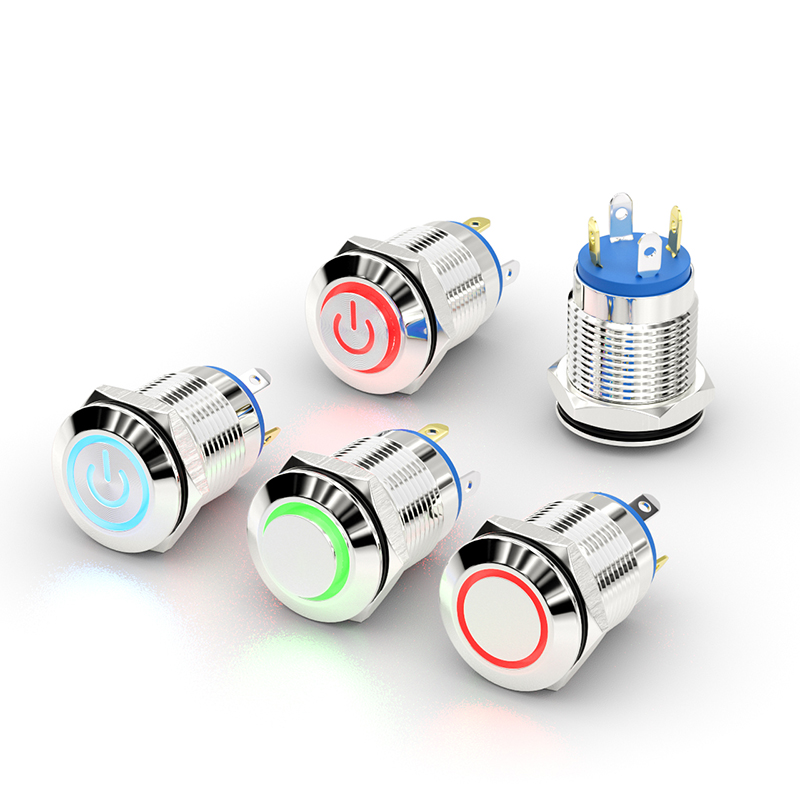
Metal pushbutton switches: pros and cons
Pros: Wear-resistant and durable, high pressure resistance, suitable for high temperatures, humidity, outdoor and other harsh conditions, high-quality design, more high-class appearance.
Cons: Higher cost, greater weight, and expensive transportation.
Common applications: Industrial equipment, mechanical control, outdoor facilities, etc.
Plastic pushbutton switches: pros and cons
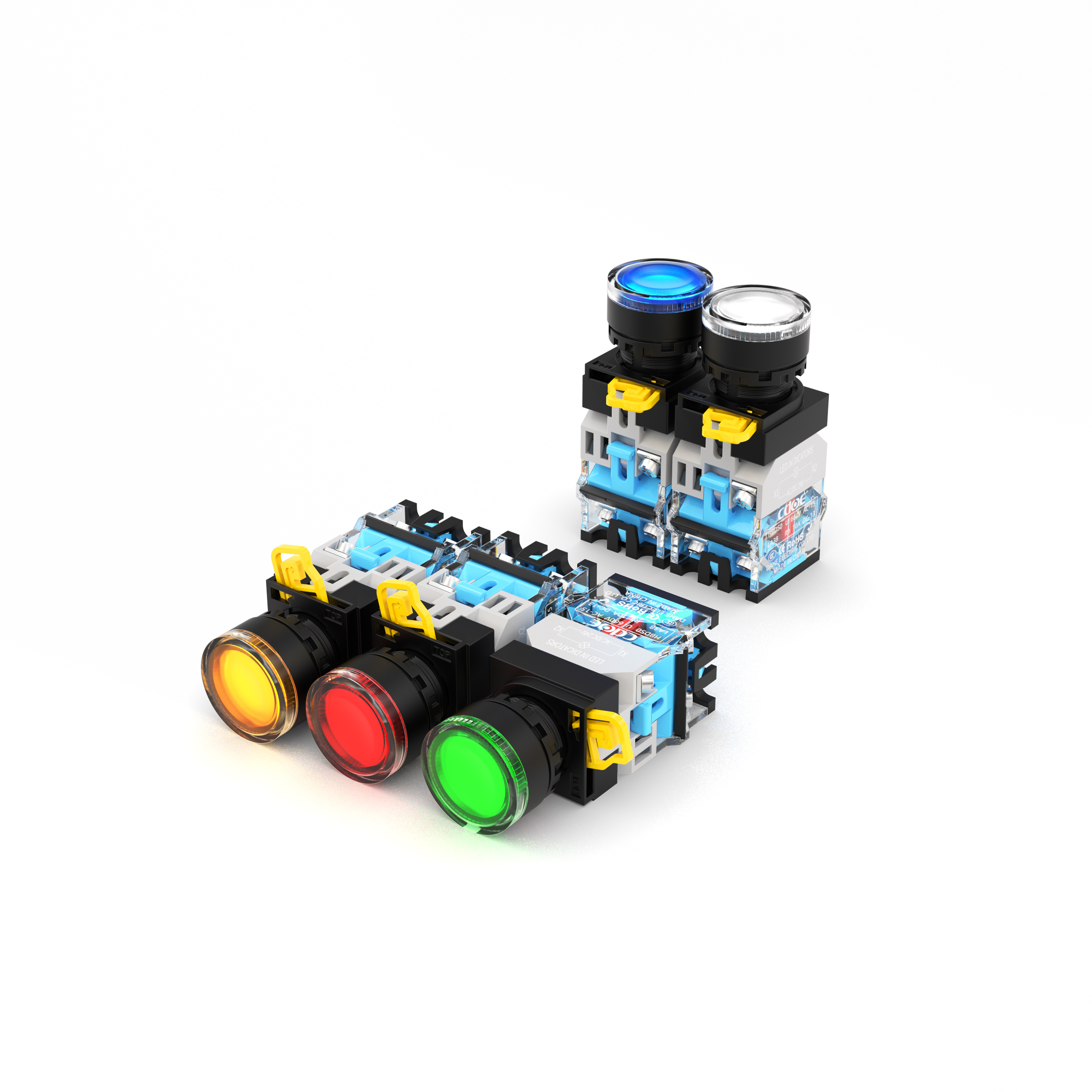
Pros: Lightweight, easy to install, low cost, various colors, customizable.
Cons: Prone to aging after long-term use and poor resistance to high temperatures.
Common applications: Household appliances, office equipment, toys, control cabinets, etc.
Frequently asked questions
Q1: Will metal buttons rust?
A1: Metal buttons are usually made of stainless steel or chrome-plated materials, which provide corrosion resistance. However, in extreme conditions, additional protective treatments may be required.
Question 2: Can plastic buttons age over time?
A2: Long-term exposure to high temperatures or ultraviolet rays can cause plastic buttons to age or fade. However, high-quality plastic materials can slow down the aging process.
By examining the gloss, feeling the texture, and weighing the switch, you can easily distinguish metal buttons from plastic ones in just 3 seconds. Choosing the right material not only improves equipment performance but also extends its service life. If you are looking for high-quality pushbutton switches, consider exploring the product range offered byCDOE Brand. As a trusted brand in China’s pushbutton switch industry, CDOE offers a wide selection of metal and plastic pushbutton switches to meet various application needs.
Recommended metal pushbutton switches:
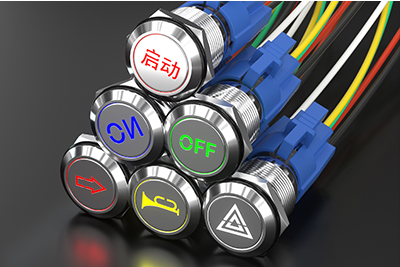
HBDS1-AGQ Series
View dimension diagramSend inquiry
Features: UL certification, IP67 waterproof rating, supports 1NO1NC/2NO2NC contact combinations, three-color backlighting available.
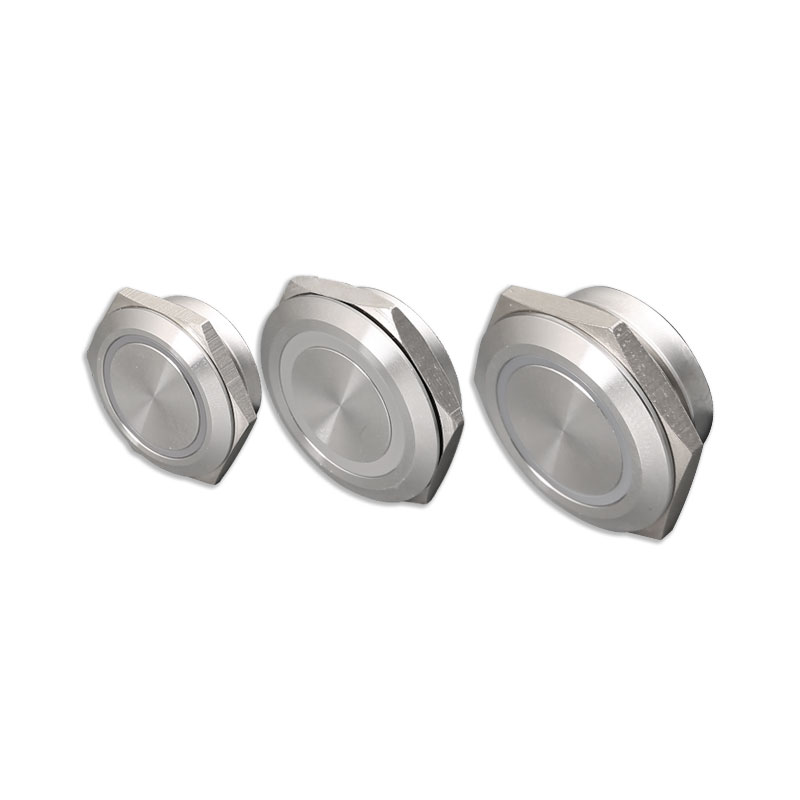
HBDGQ Series
View dimension diagramSend inquiry
Features: Ultra-thin housing, IP67 waterproof rating, short stroke, suitable for narrow spaces.
HBDS1-D Series
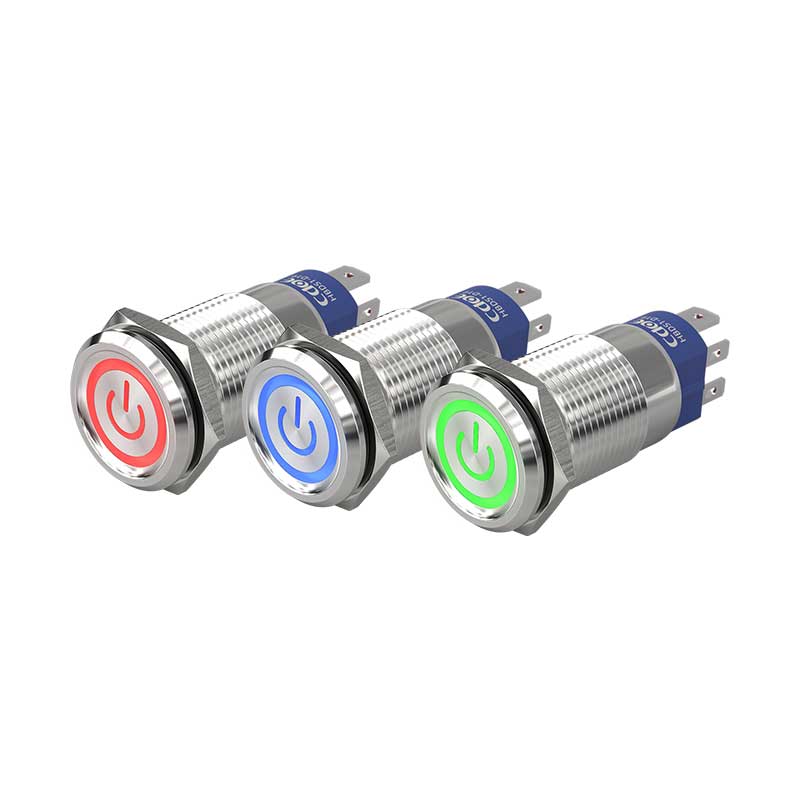
View dimension diagramSend inquiry
Characteristics: High-precision 10A construction, available in both metal and plastic versions, thickened terminal contacts.
Recommended products with plastic pushbutton switches:
HBDS0-K Series
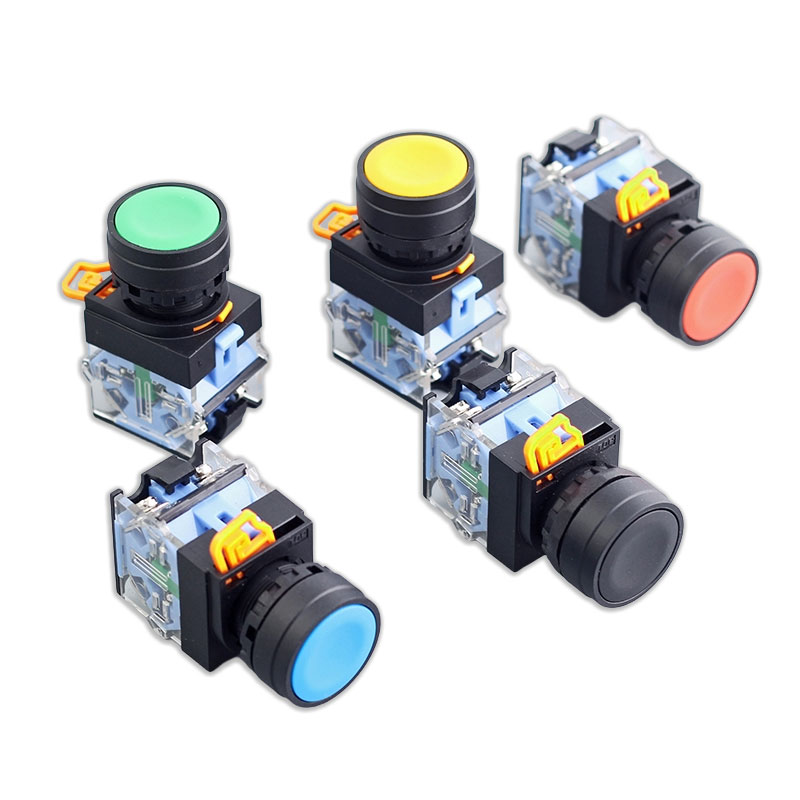
View dimension diagramSend inquiry
Features: Various styles, suitable for environments with a nominal voltage of 660V, freely stackable contact combinations.
HBDS1-A Series
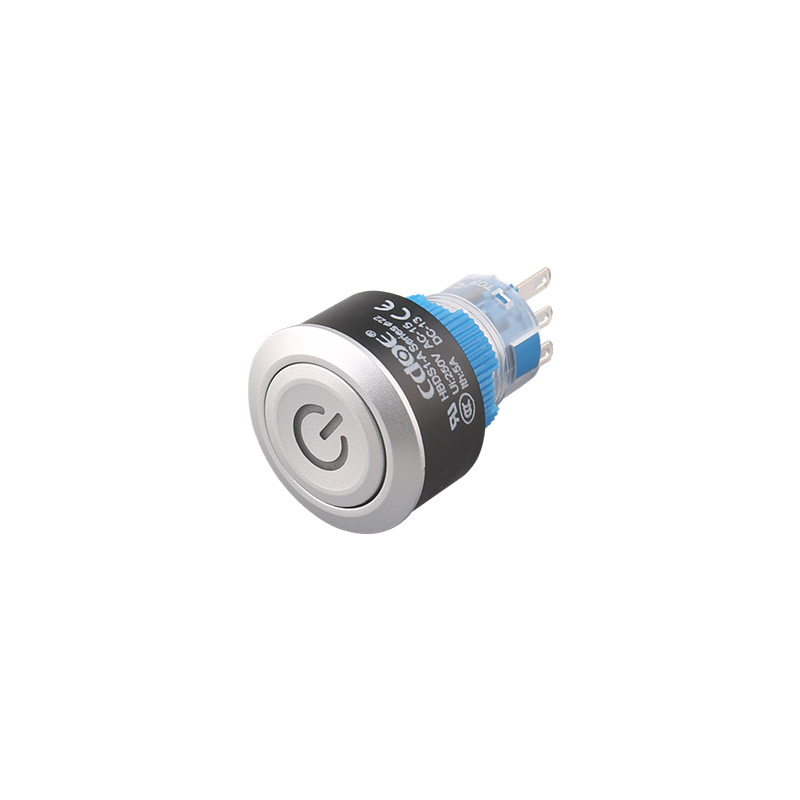
View dimension diagramSend inquiry
Features: Three different head shapes, customizable head design.
HBDS1-AGQ-PK Series
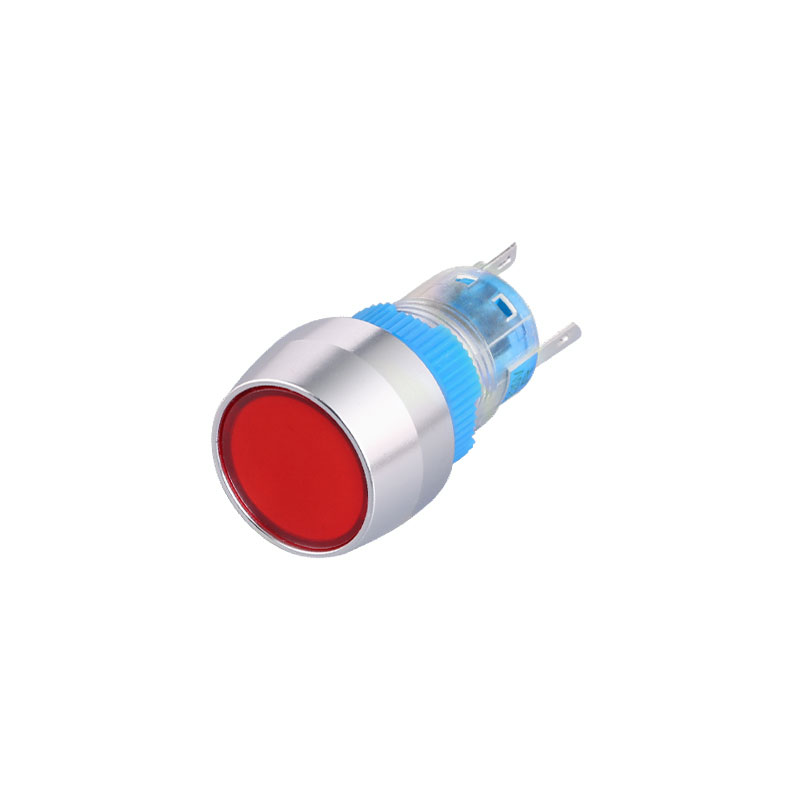
View dimension diagramSend inquiry
Features: Large backlit design, cost-effective.
The above is a brief overview of some CDOE brand pushbutton switch series. We also offer more models and customization services to meet your needs in various scenarios. For more product information or selection advice, pleasecontact ourprofessional customer service team. We strive to provide you with premium personalized service.