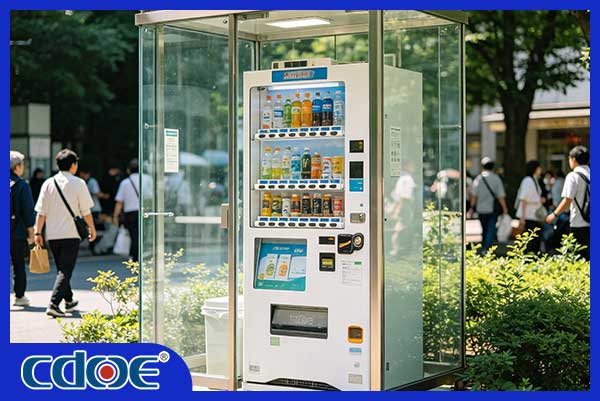
1. Why Is the Vending Machine Push Button Switch So Important?
The vending machine push button switch serves as the primary human-machine interface. Every product selection depends on it. Unlike internal electronic components that customers never see, the push button is touched hundreds or even thousands of times each month.
If the button quality is poor:
Customers may experience unresponsive selections
Repeated pressing may damage internal control systems
Machine downtime increases
Refund requests and complaints rise
Brand credibility declines
However, a high-quality vending machine push button switch provides:
Stable and accurate signal transmission
Clear tactile feedback
Long mechanical lifespan
Professional and premium appearance
In high-traffic environments, the reliability of this component directly impacts profitability.
2. Five Critical Factors When Choosing a Vending Machine Push Button Switch
Selecting a push button without evaluating technical factors may reduce initial cost, but it significantly increases long-term operational risks. Below are the five essential factors — and what may happen if they are ignored.
① Durability and Mechanical Lifespan
Vending machines operate in high-frequency usage environments. A vending machine push button switch may be pressed tens of thousands of times per year.
If durability is insufficient:
Internal contacts wear out quickly
Signal failure becomes frequent
Maintenance costs increase
Machine uptime decreases
Recommended: Industrial-grade switches rated for 500,000 to 1,000,000 cycles.
② Protection Level (IP Rating)
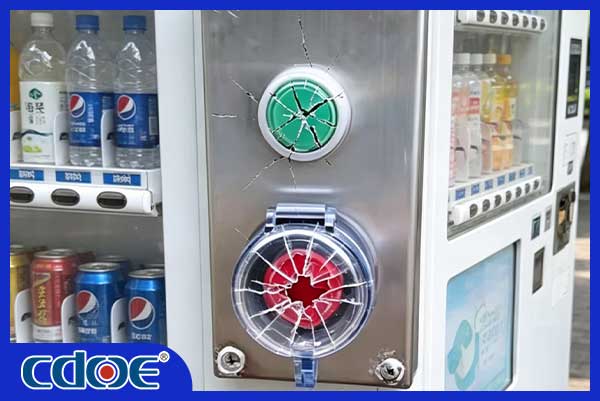
Many vending machines are installed in semi-outdoor or outdoor locations.
If IP protection is too low:
Rainwater may cause short circuits
Dust accumulation affects electrical performance
Humidity leads to corrosion
Recommended:
Indoor applications: Minimum IP65
Outdoor applications: IP67 vending machine push button switch or higher
③ Electrical Compatibility
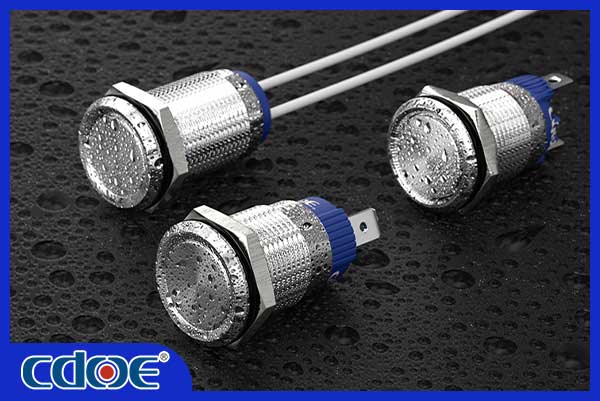
Each vending machine push button switch must match the system's voltage and current specifications.
If mismatched:
Contact burning or welding may occur
Unstable control signals may damage PCB boards
System malfunctions become more frequent
Always confirm operating voltage (5V / 12V / 24V) and contact configuration (NO or NC).
④ Mounting Size and Structural Strength
Common mounting sizes include 16mm, 19mm, 22mm, and 25mm.
If the wrong size is selected:
Panel redesign increases manufacturing cost
Installation instability reduces durability
Improper fitting affects product appearance
For public vending machines, anti-vandal stainless steel structures are strongly recommended.
⑤ User Experience and Visual Feedback
Modern vending machines are not just functional devices — they are branded retail systems.
If user experience is overlooked:
Customers may repeatedly press due to unclear response
Low-end design affects product positioning
Reduced customer trust in machine reliability
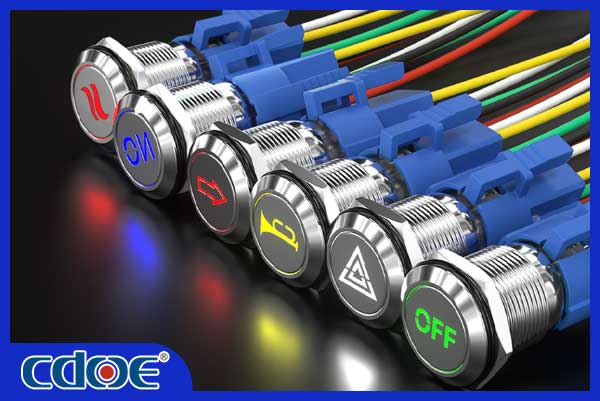
Recommended features for a premium vending machine push button switch:
LED illuminated ring or symbol
Clear tactile click feedback
Laser-engraved custom icons
Multi-color LED options
Stainless steel housing
3. Different Application Requirements for Vending Machine Push Button Switches
Outdoor Vending Machines
IP67 waterproof design
UV-resistant materials
Anti-vandal stainless steel body
High-Traffic Locations (Airports, Metro Stations, Shopping Malls)
1 million cycle lifespan
High-impact resistance
Bright LED visibility
Schools and Hospitals
Low-voltage safety configuration
Optional antibacterial coating
Quiet operation mechanism
Industrial or Harsh Environments
Corrosion resistance
High-temperature tolerance
Heavy-duty structure
A single standard button does not fit every environment. Proper selection reduces failure rates and extends equipment lifespan.
4. Common Mistakes When Selecting a Vending Machine Push Button Switch
Choosing based only on price
Ignoring IP rating requirements
Overlooking electrical compatibility
Neglecting LED feedback and user interaction
Selecting incorrect mounting size
These mistakes often result in higher long-term maintenance costs and reduced machine reliability.
5. How to Properly Select the Right Vending Machine Push Button Switch
Step 1: Define the installation environment (indoor, outdoor, high humidity, etc.).
Step 2: Confirm electrical specifications and control system requirements.
Step 3: Verify mounting size and panel thickness compatibility.
Step 4: Evaluate mechanical lifespan and protection rating.
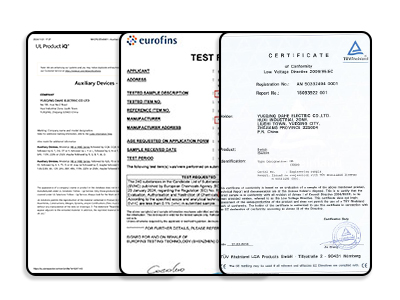
Step 5: Work with a certified manufacturer that provides CE, RoHS, or UL compliance.
Professional guidance ensures you select a vending machine push button switch that balances durability, safety, and user experience.
6. Customer Case Study
Outdoor Beverage Vending Project
A client previously used standard plastic buttons in semi-outdoor installations. During rainy seasons, water penetration caused repeated short circuits and machine shutdowns.
After upgrading to a 19mm stainless steel IP67 illuminated vending machine push button switch:
Failure rate reduced by approximately 70%
Maintenance visits significantly decreased
Machine uptime improved
Premium Smart Coffee Machine Project
For a high-end retail market launch, the client integrated flat illuminated stainless steel vending machine push button switches with custom laser engraving.
Product appearance upgraded to premium level
User interaction improved
Successfully entered upscale commercial locations

7. Conclusion
Although small in size, the vending machine push button switch plays a decisive role in equipment stability, operational efficiency, and customer satisfaction.
Choosing the right vending machine push button switch is not simply about component selection — it is about protecting revenue, reducing maintenance costs, and strengthening brand value in competitive global markets.
If you are developing or upgrading vending machines, partnering with us as your trusted vending machine push button switch manufacturer ensures durable performance, reliable operation, and long-term value for your equipment.